Modern technologies are no longer exclusive to large farms and industrial agriculture. Today, even a small home garden can be equipped with gadgets, sensors, and automation systems that make plant care convenient, efficient, and environmentally friendly. For gardeners, this opens up new possibilities: less manual labor, more control over plant health, and optimization of resources.
This topic is especially relevant for owners of private plots, urban gardens, and backyard vegetable patches. Technology helps save time and effort, increase yield, and reduce the likelihood of mistakes that often occur with manual care. New systems provide the ability to analyze plant conditions, adjust care in real time, and predict future needs for water, nutrients, and pest management.
Technology allows gardens to be adapted to individual plot conditions, climate features, and even the gardener’s lifestyle. For example, for busy people with limited time or elderly gardeners, automation and smart sensors can be a real lifesaver, allowing them to maintain the garden without constant physical strain.
Smart Irrigation Systems and Sensors
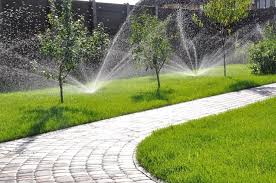 One of the most noticeable innovations for the home garden is smart irrigation systems. They work based on soil moisture, temperature, and light sensors, often integrated with mobile apps and Wi-Fi connectivity. The system delivers water only when necessary, preventing both dehydration and overwatering of plants.
The main benefits include water savings, optimal plant growth, and reduced time spent on daily watering. At the same time, sensor malfunctions or software glitches can lead to under- or overwatering, so gardeners still need to occasionally check the system manually.
Modern drip irrigation systems supply water directly to plant roots only when moisture falls below a preset level. Smart sprinklers can adjust water flow based on weather forecasts: for example, they won’t activate if rain is expected and will water more frequently during hot and dry conditions. This is especially important in regions with high temperatures and fluctuating humidity, where even experienced gardeners sometimes misjudge plants’ water needs.
Systems with mobile apps allow gardeners to track water usage for each plant and analyze irrigation efficiency across seasons. This helps to adjust watering schedules based on real data rather than guesswork. For greenhouses and container plants, such solutions are particularly useful, maintaining consistent conditions regardless of outdoor weather.
Automated Care and Garden Robots
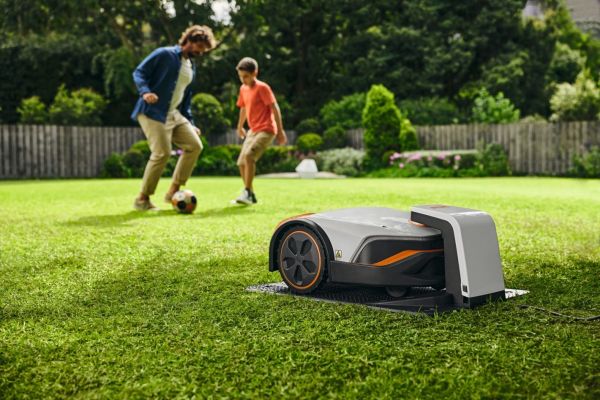
Modern technologies extend beyond watering. Lawn mowing and weeding robots are becoming increasingly common in private gardens. Robotic lawn mowers maintain a uniform grass height without constant human oversight. Most models are equipped with obstacle sensors and boundary settings, so they navigate safely around flower beds and walkways.
Weeding and soil-tilling robots can move independently between plant rows, remove weeds, and loosen the soil without damaging crops. They use GPS and sensor systems for precise navigation and efficient operation. This allows for large areas to be managed in a short time, which is especially useful for gardens with many beds or complex layouts.
Programmable lighting systems for greenhouses and container plants adjust light intensity and duration, simulating natural sunlight or seasonal conditions. This is particularly beneficial during winter or in indoor spaces with insufficient light, ensuring plants receive adequate photoperiods to support growth and flowering.
Automation reduces physical strain, saves time, and helps maintain perfectly trimmed lawns and well-cultivated beds. However, high costs and maintenance requirements are important considerations before investing in these devices.
Smart Devices for Plant Monitoring
 Sensors and apps allow gardeners to monitor soil moisture, temperature, light, pH, and nutrient levels. Many systems incorporate artificial intelligence that analyzes leaf photos to detect early signs of diseases or pest infestations.
The benefits are clear: early problem detection, personalized care recommendations, and the ability to track the effectiveness of different treatment methods. These technologies allow gardeners to act proactively, preventing crop loss and reducing stress caused by uncertainty about plant health.
There are downsides as well: complete reliance on electronics, potential sensor errors, and the need for occasional manual verification. Nevertheless, smart devices make garden care more precise and data-driven, giving gardeners a higher level of control over plant growth and health.
Eco-Friendly Technologies and Energy Saving
Modern garden technologies help conserve resources and maintain ecological balance. Many systems, including pumps and lighting, can run on solar panels, reducing electricity costs and making the garden more self-sufficient.
Smart composters automatically regulate temperature, moisture, and aeration, accelerating organic matter decomposition and turning waste into high-quality fertilizer. This also reduces odors and the likelihood of pests.
Integrating sensors and apps allows fertilizers and protective agents to be applied precisely, minimizing environmental impact. This is particularly important for home gardens in urban areas, where improper chemical use can affect neighbors, pets, and soil quality.
Thus, modern technologies not only save time and resources but also make the garden safer and more environmentally responsible. They create a balance between efficiency, convenience, and ecological care.
Table: Modern Technologies for the Home Garden
| Technology | Main Function | Benefits for Gardeners |
|---|---|---|
| Smart Irrigation Systems | Automatic watering with moisture sensors | Water savings, optimal plant growth |
| Robotic Lawn Mowers | Autonomous lawn trimming | Saves time and energy |
| Weeding Robots | Remove weeds and loosen soil | Increased area coverage, less physical strain |
| Soil & Plant Sensors | Monitor moisture, pH, light | Control plant health, early problem detection |
| Programmable Greenhouse Lights | Adjust light intensity and duration | Supports growth year-round |
| Smart Composters | Decompose organic waste | Effective fertilizer, reduces odor and pests |
The Bottom Line
- Smart irrigation systems help save water and maintain optimal plant growth, but sensor malfunctions or software issues can lead to under- or overwatering, so occasional manual checks are still needed.
- Robots for lawns and weeding reduce physical effort and save time, but their high cost and maintenance needs make them inaccessible for some gardeners.
- Sensors and AI allow early detection of plant diseases and fast response, but full reliance on technology and possible sensor errors require regular manual verification.
- Using solar panels and smart composters helps reduce costs and environmental impact, though initial investments and basic technical skills remain necessary.
Conclusion
Modern technologies make home gardening more convenient, precise, and environmentally sustainable. They save time and resources, allow for timely problem management, and increase yields. At the same time, devices require attention, maintenance, and investment. Combining innovative tools with traditional care maximizes benefits while minimizing risks, making gardening more effective and enjoyable.