A home garden in the Southeastern United States is rarely a space occupied by humans alone. Even the most carefully maintained yard, with neat beds, lawns, and ornamental plants, becomes part of the surrounding natural ecosystem. Birds, amphibians, reptiles, and mammals regularly appear in gardens, especially in regions with warm climates, high humidity, nearby forests, wetlands, or coastal areas.
For some gardeners, wildlife presence is a sign of a healthy, living landscape. For others, it creates concern, uncertainty, or even fear. Some animals support the garden’s natural balance, while others may damage plants, frighten residents, or pose risks to pets. Understanding whether these animals are beneficial neighbors or problematic visitors requires looking beyond stereotypes and considering the specific environmental context of the Southeast.
The Southeastern U.S. is known for its rich biodiversity. Wildlife remains active most of the year, not just during a short warm season. As a result, encounters with larger animals are not occasional disruptions but an ongoing part of gardening life. Learning how to recognize their roles, habits, and limits helps gardeners reduce conflict while maintaining a safe and productive space.
Birds: Garden Allies and Occasional Competitors
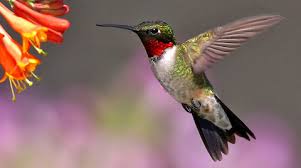
Birds are among the most visible and welcomed garden visitors. Their movement, sounds, and seasonal patterns add life to outdoor spaces. Common species in Southeastern gardens include cardinals, chickadees, mockingbirds, thrushes, blue jays, and hummingbirds. Many adapt easily to human presence and use gardens as sources of food, water, and shelter.
From an ecological perspective, birds perform several important functions. They help distribute seeds, contribute to pest control, and act as indicators of environmental balance. A garden that attracts diverse bird species is often one with healthy soil, plant variety, and minimal chemical use.
However, the relationship is not always entirely positive. Some birds feed on berries, fruits, or newly planted seeds, creating competition for the gardener. During harvest seasons, especially in smaller gardens, this competition becomes more noticeable. Birds may also disturb mulch or soil while foraging.
In most cases, the damage caused by birds is limited and seasonal rather than destructive. Using netting during peak harvest times, adjusting plant placement, and positioning feeders away from sensitive crops can reduce conflict without excluding birds altogether. In a sustainable garden, birds remain more helpful than harmful.
Amphibians: Quiet Indicators of a Healthy Garden
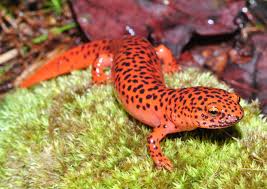 Frogs, toads, and salamanders often go unnoticed, yet their presence carries significant meaning. Amphibians are highly sensitive to environmental changes, moisture levels, and soil quality. Where they thrive, pollution tends to be low and natural balance relatively intact.
The warm, humid climate of the Southeast creates ideal conditions for amphibians, especially in gardens with shade, mulch, water features, or dense vegetation. They are most active in the evening or after rainfall, which explains why gardeners often encounter them unexpectedly during watering or late-day work.
From a practical standpoint, amphibians rarely pose any risk to people or plants. They do not damage roots, eat foliage, or disrupt garden beds. Instead, their presence suggests that the garden environment is stable and biologically diverse.
Some gardeners may feel uneasy when encountering a large toad or frog, particularly if children or pets are nearby. However, most local species are harmless and prefer to avoid contact. Problems typically arise only when animals are handled or their hiding places disturbed. Maintaining natural shelter areas allows amphibians to coexist peacefully with minimal human interaction.
Reptiles: Fear Shaped by Misunderstanding
Reptiles often trigger the strongest emotional reactions in gardens. Snakes and lizards are frequently viewed as dangerous, even when the actual risk is low. In Southeastern gardens, non-threatening lizards such as anoles are common, along with a variety of snake species, the majority of which are non-venomous.
Snakes play an important ecological role by controlling rodent populations. Their presence usually reflects available shelter, water, and prey rather than aggression. Most snakes avoid human contact and retreat when disturbed.
Fear typically centers on the possibility of encountering venomous species. While such encounters can occur, they are uncommon in well-maintained gardens. Keeping grass trimmed, removing debris, and being attentive while working significantly reduces risk. Wearing gloves and avoiding blind reaches into dense vegetation further increases safety.
Lizards, on the other hand, are generally welcomed. Active during daylight hours, they are non-aggressive and quickly become a familiar part of the landscape. Their presence often indicates a stable microclimate and healthy habitat. Understanding reptile behavior helps replace fear with informed caution.
Mammals: The Most Visible and Challenging Visitors
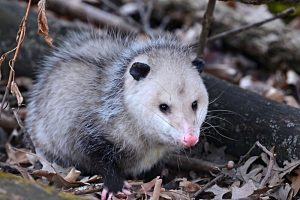 Mammals tend to create the greatest challenges for gardeners. Squirrels, rabbits, raccoons, opossums, and, in some areas, deer frequently visit gardens in search of food. Their size, intelligence, and persistence make them difficult to ignore.
Squirrels and rabbits may damage seedlings, eat leaves, or dig around roots. Raccoons are known for overturning containers, disturbing beds, and accessing compost. Opossums, despite their intimidating appearance, generally cause minimal harm but can create unease simply by being present.
In suburban areas of the Southeast, deer present a particularly serious issue. They can rapidly consume both ornamental and edible plants, especially during periods of food scarcity. Managing deer activity often requires long-term strategies, including fencing, plant selection, and thoughtful landscape design.
It is important to recognize that mammals do not damage gardens intentionally. They respond to available resources. Gardens offering abundant food and shelter naturally attract repeated visits. Addressing mammal activity requires patience, observation, and preventative planning rather than aggressive control measures.
Finding Balance Between Gardening and Wildlife
The primary challenge for Southeastern gardeners is not eliminating wildlife but managing coexistence. Completely excluding animals often demands excessive effort and contradicts the region’s natural ecology.
Observing which species appear, when they visit, and what attracts them helps gardeners make informed adjustments. Sometimes small changes—such as altering plant placement, removing attractants, or installing simple barriers—are enough to reduce conflict.
A garden that accounts for wildlife while protecting key growing areas becomes more resilient. This approach aligns with ecological gardening principles, where humans act as participants rather than dominators of the environment. Such gardens are often healthier, more stable, and more rewarding over time.
Conclusion
Birds, amphibians, reptiles, and mammals are an inseparable part of gardens in the Southeastern United States. Some offer clear benefits, others require caution and adaptation, but few are purely destructive. Understanding their roles allows gardeners to move beyond fear and frustration toward informed decision-making. When balance is achieved, the garden becomes not only productive, but also a living ecosystem that reflects the region’s natural richness.