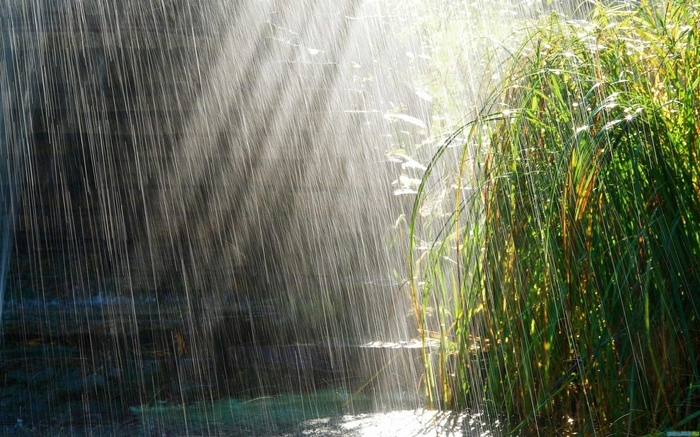
Harvesting rainwater is a practical and eco-friendly way to maintain a garden, save water, and reduce the load on municipal water systems. In the context of climate change and increasing drought frequency in the southeastern United States and other countries, effective use of rainwater has become particularly relevant. For gardeners, this is not only a way to save on water bills but also an opportunity to improve plant health through soft, uncontaminated water rich in oxygen and free from chlorine.
Rainwater collection also helps reduce soil erosion, decreases pressure on drainage systems, and can be used to irrigate vegetable gardens, flower beds, and ornamental plantings. This is especially important in coastal regions, where heavy rains and downpours can quickly wash away soil and damage plants. Using harvested rainwater allows gardeners to control moisture levels, creating more stable growing conditions.
The economic aspect is also significant. Collecting rainwater lowers irrigation costs, especially in summer when garden water consumption spikes. For homeowners, particularly in urban or suburban areas, this practice helps reduce water bills while lessening the burden on local utilities. However, an effective system requires proper design and regular maintenance.
Principles of Rainwater Harvesting
 Rainwater harvesting starts with a simple idea: rain falls on a roof or another horizontal surface, is collected, and directed into a storage container. The most popular methods include using downspouts, barrels, and large tanks.
Roofs with smooth surfaces, such as metal tiles, slate, or ceramic tiles, are ideal for collecting water because they do not contain toxic materials and minimally contaminate water. Flat or asbestos-cement roofs may require filtration or additional cleaning. It is important to remember that not all materials are safe: roofs containing lead, asbestos, or old paint can leach harmful substances into the water.
To direct rainwater into storage, downspouts often include screens that trap leaves and debris. This prevents the container from clogging and reduces the risk of bacteria and microorganism contamination. In practice, many gardeners install a preliminary “first flush” container that captures the first portion of rain, which contains the most impurities. Clean water is then redirected to the main storage tank. This approach helps prevent the buildup of harmful microorganisms and makes the water suitable for irrigating most plants.
Seasonality must also be considered. In the southeastern United States, summer rains may be intense but short, while winter precipitation is more evenly distributed, and cold water can slow the operation of pumps and drip irrigation systems. Therefore, when designing a system, it is essential to plan for tank capacity and water redistribution throughout the year.
Storing and Using Rainwater
Choosing a storage container depends on water consumption, garden size, and climate characteristics. The most common options are plastic and metal tanks, as well as wooden containers with sealed lids. Plastic is lightweight and corrosion-resistant but needs protection from UV rays, otherwise, the material deteriorates over time and releases microplastics into the water. Metal tanks are durable but can heat water in the sun, which may negatively affect plants and promote algae growth. Wooden containers are aesthetically pleasing and eco-friendly but require treatment and regular inspection for leaks.
Proper hygiene is essential when storing rainwater. Containers should be covered to prevent insects, leaves, and debris from entering. Regular cleaning of tanks and filters reduces the risk of bacterial growth. In hot regions, where water may be stored for long periods, it is advisable to install a circulation system or small aeration devices to keep the water fresh and oxygenated.
Using rainwater in the garden has numerous benefits. Unlike tap water, it is soft and free from chlorine and other chemical additives, which is favorable for plant roots. This is especially important for sensitive crops such as lettuce, strawberries, tomatoes, and ornamental flowers. Many gardeners notice more vigorous growth and stronger plants when irrigated with rainwater, as well as improved fruit flavor.
Rainwater can also be used for decorative features such as fountains, ponds, and cascades. It is safe for aquatic plants and helps create a microclimate in the garden. Some gardeners even report that rainwater irrigation attracts more pollinators and birds, contributing to a balanced ecosystem.
Simple Systems for Home Gardens
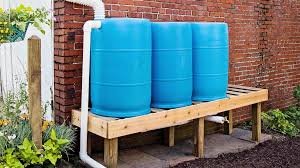 A DIY approach allows gardeners to set up a rainwater system even on a small plot without significant financial investment. The simplest option is a 50–80 gallon (200–300 liters) barrel placed under a downspout. Rainwater flows from the roof into the barrel, from where it can be used for watering with a hose or watering can. This method is cost-effective, easy to set up, and significantly reduces tap water consumption.
More advanced systems include multiple connected tanks with valves to control water levels and pumps for automatic irrigation. These systems allow water to be distributed evenly, maintaining stable soil moisture and saving up to 50% of water compared to traditional watering. Many gardeners integrate rainwater systems with drip irrigation or timers that only activate watering in the early morning or evening, reducing evaporation and water loss.
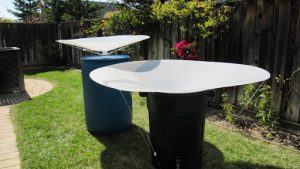
Another innovative method is collecting rainwater from ground surfaces or decorative structures, such as terraces, pergolas, or water features. For these systems, filtration and protection from contamination are especially important. A simple mesh and first flush container trap debris, while additional filters and pumps make the collected water suitable for all garden needs.
Some gardeners use multi-compartment tanks to store water of varying cleanliness. The top section collects rain with minimal filtration, the middle stores filtered water for irrigation, and the bottom can be used for decorative purposes. This approach optimizes water use and enhances system efficiency.
Benefits and Limitations
Using rainwater offers clear advantages. First, it conserves resources by reducing water bills and lowering the burden on municipal water systems. Second, it improves irrigation quality: soft water positively affects roots, leaves, and plant yield. Third, there is an environmental benefit: reducing stormwater runoff decreases erosion, flooding, and contamination of soils by pesticides and chemicals washed away by tap water.
However, there are limitations. Not all regions receive enough rain for consistent use; in winter or during droughts, water collection may be irregular. Systems require regular maintenance, including cleaning filters and tanks, otherwise water can become contaminated and a source of plant disease and insects. Additionally, some tank materials can affect water quality, so it is important to select safe, tested containers.
Gardeners may also face additional challenges, such as installing systems on sloped or multi-level terrain. In such cases, careful planning is required to ensure water is distributed evenly and excess moisture does not accumulate, which could lead to root rot or plant stress.
Key Takeaways
Rainwater harvesting helps make gardens more sustainable, cost-effective, and eco-friendly. Simple systems efficiently support small-scale watering, while advanced setups automate irrigation and optimize water use. The main benefits are water conservation, improved irrigation quality, and environmental advantages. Limitations include seasonal rainfall variability, maintenance requirements, and the need to choose safe materials.
Conclusion:
DIY rainwater harvesting is an accessible, environmentally friendly way to enhance your garden and reduce expenses. Even a simple barrel under a downspout can significantly ease watering, while more advanced systems transform your garden into an efficient, self-sustaining ecosystem.