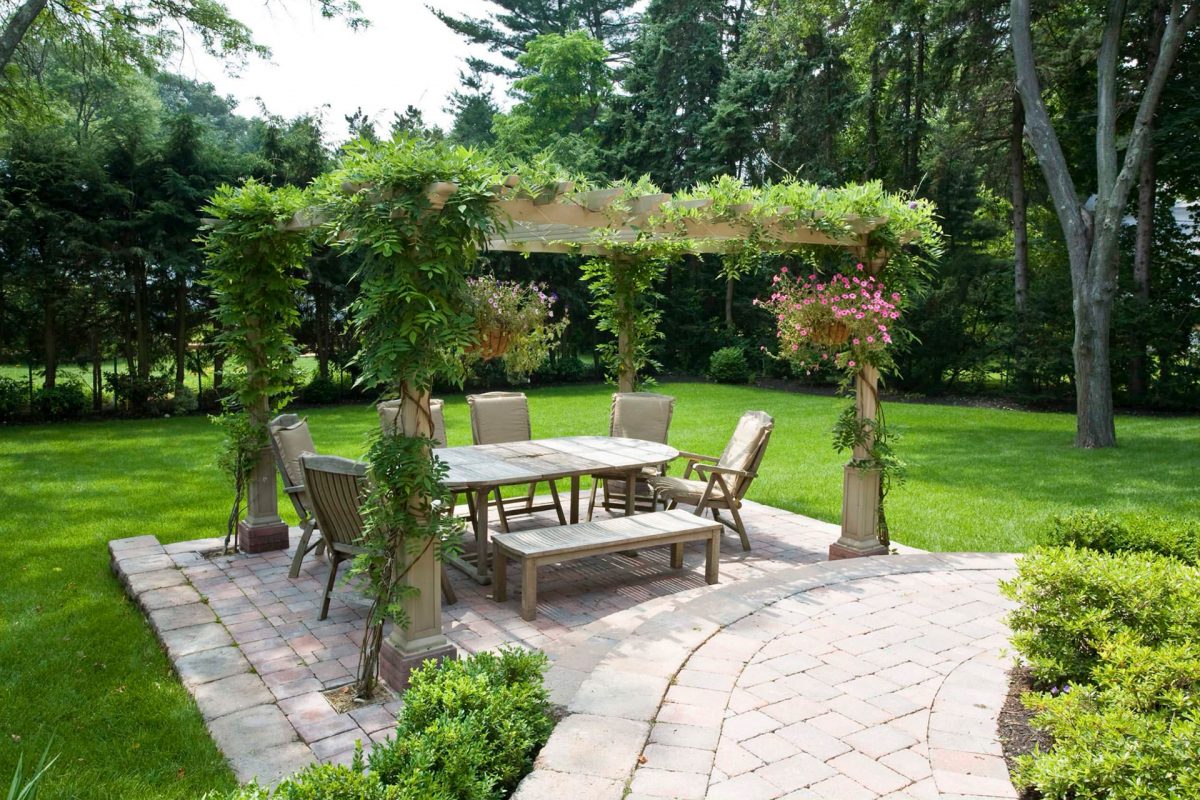
Vertical gardening brings structure, movement, and drama to a Southern garden in a way few other design elements can. In warm, sunny climates, vines do more than simply climb — they transform the landscape. They cool down patios, shade walkways, soften fences, and turn ordinary pergolas into lush green rooms. Thanks to long growing seasons and generous sunlight, climbers in the South grow faster, bloom longer, and show off more vibrant colors than in cooler regions.
But along with this abundance comes the need for thoughtful plant selection and strategic care. Not every vine thrives in heat, humidity, or intense sun. Choosing the right species — and understanding how each behaves — ensures that your vertical accents enhance, rather than overwhelm, your outdoor space.
This guide explores the best vines for Southern climates, creative ways to use them, and practical tips for maintaining healthy, beautiful climbers throughout the year.
The Best Vines for Southern Gardens
Southern gardeners have the advantage of being able to grow species that simply won’t survive in colder climates. Many tropical and subtropical vines flourish here, rewarding minimal effort with dramatic visual impact.
Below is an expanded look at some of the best options — from vigorous growers to delicate bloomers, evergreen screens, and heat-loving flowering varieties.
A heat-tolerant powerhouse, trumpet vine produces bold, trumpet-shaped blooms in fiery orange, red, or gold. Hummingbirds adore it.
Because it grows aggressively, it’s ideal for covering large structures such as pergolas, barns, long fences, or naturalized areas.
It requires sturdy supports and occasional control to keep it in check.
Bougainvillea
Synonymous with tropical landscapes, bougainvillea bursts with vivid color all season long. What appear to be flowers are actually bracts — brilliantly colored leaf-like structures.
It thrives in reflected heat, on stucco walls, fences, or metal trellises.
In cool winters, it may defoliate but typically rebounds quickly in spring.
Star Jasmine (Trachelospermum jasminoides)
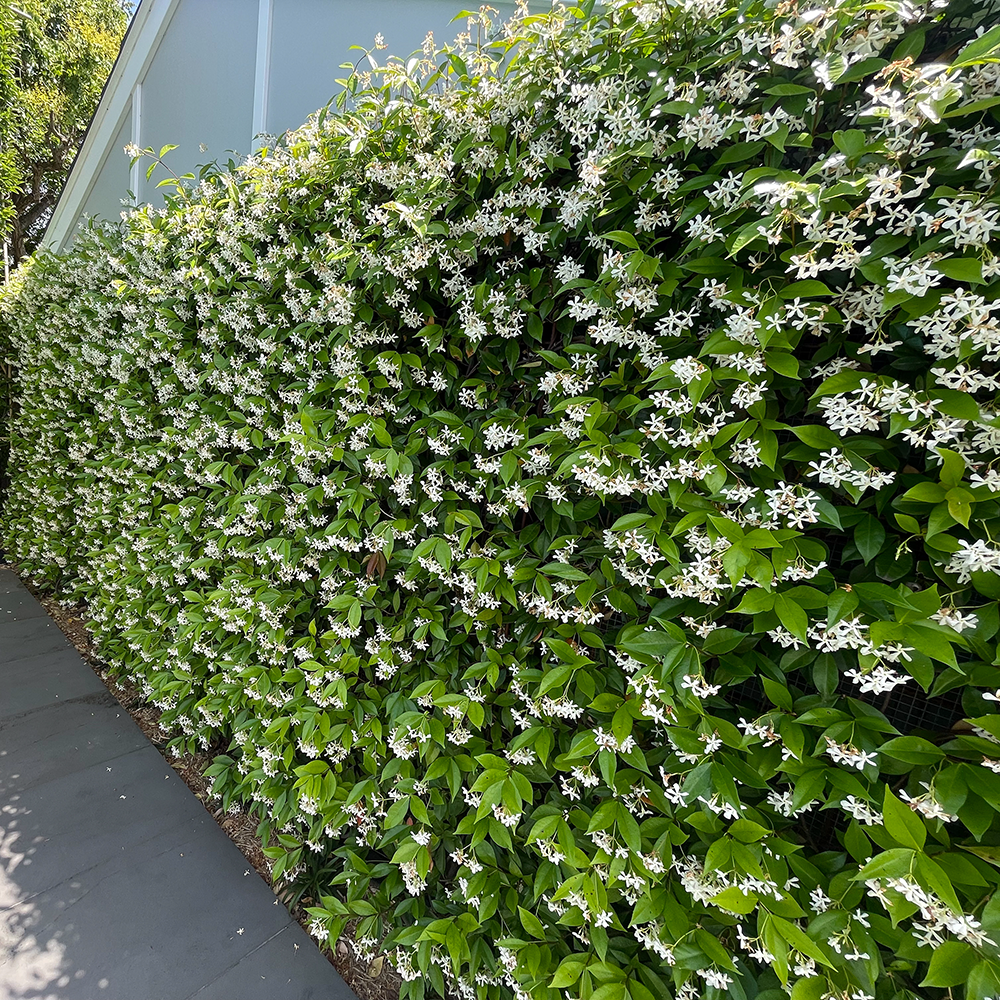
One of the most beloved evergreen climbers in the South. It forms a lush green screen year-round and produces highly fragrant white blooms in late spring.
Perfect for trellises, railings, pergola sides, and as a living wall.
Cape Plumbago (Plumbago auriculata)
This semi-climber with sky-blue flowers adds a cooling visual effect in the hottest months.
Though often grown as a shrub, it can be trained onto trellises or pergola posts to create a soft, airy blue cascade.
Climbing Roses
Long blooming and highly ornamental, climbing roses love Southern sun.
Varieties like ‘New Dawn,’ ‘Don Juan,’ ‘Climbing Iceberg,’ and ‘Eden’ offer months of blooms and elegant arching canes.
Excellent for arches, entryways, porch columns, and pergolas.
Passionflower (Passiflora incarnata & hybrids)
An exotic-looking vine with intricate flowers and edible fruit in many species.
Native varieties like Passiflora incarnata tolerate heat remarkably well and support Gulf fritillary butterflies.
Carolina Jessamine (Gelsemium sempervirens)
An evergreen native vine with brilliant yellow flowers that appear in late winter or early spring.
Heat- and drought-tolerant once established.
Confederate Jasmine (different from star jasmine)
Sometimes confused with star jasmine, it’s similarly fragrant and vigorous — a great evergreen screen.
Comparison Table of Popular Southern Vines
| Vine / Climber | Sun Requirements | Growth Rate | Evergreen? | Best Uses | Notes |
|---|---|---|---|---|---|
| Campsis radicans | Full sun | Very fast | No | Large pergolas, fences, walls | Needs strong support and pruning |
| Bougainvillea | Full sun | Fast | Yes (in warm winters) | Fences, sunny walls | Requires excellent drainage |
| Star Jasmine | Sun to partial shade | Moderate | Yes | Living walls, railings | Highly fragrant |
| Plumbago | Full sun | Moderate | No | Trellises, pergola posts | Attracts butterflies |
| Climbing Roses | Full sun | Slow–moderate | No | Arches, pergolas | Long blooming season |
| Passionflower | Full sun | Fast | No | Fences, wildlife gardens | Host plant for butterflies |
| Carolina Jessamine | Sun to partial shade | Fast | Yes | Arbors, fences | Early-season blooms |
Using Vines for Shade, Privacy, and Structure
Vertical gardening is more than aesthetics — in the Southern climate, it serves a functional purpose. Properly placed vines lower temperatures, provide privacy, screen unsightly areas, and create transitions between garden spaces.
Creating Shade With Vines

Southern summers can be intense, and shaded areas become essential outdoor retreats. Vines are a natural and energy-efficient way to create shade.
Dense, fast-growing vines
– Trumpet vine
– Grape vines (Muscadine for the South)
– Passionflower
These cast deep, cool shade ideal for pergolas, carports, and patios.
Light, filtered shade
– Plumbago
– Star jasmine
– Climbing roses
These soften sunlight without creating a dark space, making them perfect for dining areas or garden seating.
Softening and Decorating Fences
Bare fences can look harsh in a garden, especially when sun exposure highlights their stark lines. Vines instantly change the mood.
For vibrant color: bougainvillea, climbing roses
For a lush, evergreen look: star jasmine, Carolina jessamine
For wildlife gardens: passionflower (supports butterflies & pollinators)
Highlighting Arches and Entrances
Garden arches with blooming climbers create a sense of arrival or transition.
Ideal vines include:
-
Bougainvillea for dramatic color
-
Climbing roses for romance
-
Jasmine for fragrance
-
Passionflower for exotic beauty
Place arches where they frame a view or mark the transition to a new garden “room.”
Growing and Caring for Vines in Hot Southern Climates

While Southern climates support vigorous vine growth, heat and humidity can be challenging. Proper care ensures healthy, long-lived plants.
Watering Strategies
Deep, infrequent watering is more effective than frequent shallow watering.
This encourages roots to reach deeper, where soil remains cooler.
Mulching 2–3 inches helps keep moisture where vines need it most.
Bougainvillea particularly dislikes “wet feet,” so water sparingly and always ensure excellent drainage.
Soil Requirements
Most Southern-friendly vines prefer:
-
well-drained soil
-
slightly acidic to neutral pH
-
compost or organic matter mixed into planting areas
Heavy clay soils should be amended to prevent waterlogging.
Supporting Structures
Each vine has specific support needs:
-
Trumpet vine — heavy-duty structures only; it becomes woody
-
Bougainvillea — benefits from wires or rigid trellises; stems are brittle
-
Climbing roses — require tying and training
-
Star jasmine — clings lightly; guide young stems with ties
-
Passionflower — uses tendrils; needs thin supports to grip
Pruning and Training
Most vines grow rapidly in the South and need seasonal control.
-
Winter or early spring pruning favors blooming on new wood (trumpet vine, many roses).
-
Post-bloom pruning works for jasmine or bougainvillea.
-
Pinching tips encourages branching and thicker coverage.
Fertilizing
Apply slow-release balanced fertilizer in spring.
Avoid heavy nitrogen for flowering vines; it promotes foliage over blooms.
Bougainvillea blooms best with lean soil — overfeeding reduces color.
Design Ideas for Southern Gardens
Creating a Living Outdoor Room
Cover all four sides of a pergola with vines — evergreen jasmine on the sides for privacy, grapevine or trumpet vine on top for shade.
Mediterranean-Inspired Courtyard
Pair bougainvillea with terracotta pots, white stucco walls, and drought-tolerant ornamentals like rosemary and lantana.
Butterfly Garden
Plant passionflower along a fence and combine with milkweed, zinnias, and salvia to attract Gulf fritillaries and monarchs.
Romantic Cottage Entryway
Train climbing roses over an arch and add lavender or salvia at the base for fragrance and color harmony.
Seasonal Considerations
Spring
-
Prune vigorously growing vines.
-
Fertilize lightly.
-
Begin training new growth.
Summer
-
Maintain consistent deep watering.
-
Monitor for pests like aphids and spider mites.
-
Provide shade cloth for tender young vines during heat waves.
Autumn
-
Reduce watering as temperatures drop.
-
Clean up fallen leaves to reduce disease risk.
Winter (depending on zone)
-
Mulch to protect roots.
-
Bougainvillea may defoliate but usually rebounds.
-
Star jasmine and Carolina jessamine stay green year-round.
Conclusion
Vertical gardening with vines and climbers transforms Southern landscapes both functionally and aesthetically. These plants bring height, movement, color, fragrance, and shade — all essential elements in a warm climate where outdoor living is a year-round pleasure.
Whether your goal is to create a lush pergola, soften a fence, build a living privacy wall, or craft a welcoming archway, there is a vine perfectly suited to your needs. With the right selection of species, thoughtful placement, and proper care, climbers become some of the hardest-working and most rewarding plants in the garden.
The southern climate gives these plants a unique advantage: a long growing season, abundant warmth, and bright sunlight. In return, they provide structure, comfort, and unforgettable beauty — turning any garden into a layered, vertical oasis.