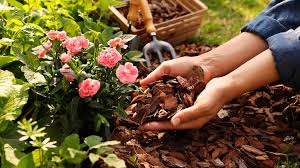
Mulching is one of the most transformative yet underestimated gardening practices. While it may seem simple—a layer of material placed on top of the soil—the effects it produces are profound, long-lasting, and multidimensional. Mulch regulates temperature, reduces moisture loss, prevents weed growth, improves soil structure, nourishes beneficial organisms, enhances plant health, and protects the garden from environmental stress. Whether one tends a vegetable plot, a flower border, a fruit orchard, or a native landscape, mulching becomes a foundation for creating a thriving, sustainable garden ecosystem.
Gardeners face a wide range of challenges: rapid soil drying during heat waves, erosion caused by heavy rain, poor soil fertility, the constant emergence of weeds, and the need for water conservation. Mulching addresses all of these issues simultaneously, making it one of the most efficient tools for creating low-maintenance, productive garden beds. Beyond its practical advantages, mulch also plays a crucial ecological role. By imitating natural forest processes, it supports biodiversity, increases nutrient cycling, and strengthens the soil’s long-term resilience.
Despite its universal value, mulching is not a one-size-fits-all solution. Different materials behave differently, break down at different rates, interact with soil types in unique ways, and may be more or less suitable depending on the gardener’s goals. To use mulch effectively, one must understand how it works, how to choose the right kind, and how to apply it properly.
How Mulch Shapes the Soil and Creates Garden Stability
Mulch functions as a protective and regenerative layer over the soil. It influences the microclimate, moisture balance, biological activity, and chemical composition of the soil beneath it. These effects combine to create an environment where plants can root more deeply and grow more vigorously.
Moisture Retention and Temperature Regulation
One of the primary benefits of mulch is the stabilization of soil moisture. Bare soil loses water quickly through evaporation, especially during hot and sunny periods. Mulch forms a protective shield that greatly reduces moisture loss, allowing the soil to remain evenly moist for longer. This reduces the stress on plants and decreases the need for supplemental watering.
Mulch also moderates soil temperature. In hot conditions, it keeps the soil cooler and protects roots from overheating. In cold seasons, it acts as insulation that prevents rapid temperature fluctuations. This protection is valuable for perennials, young trees, shrubs, and early vegetable seedlings that may be sensitive to sudden changes in temperature.
Weed Suppression and Reduced Competition
Weeds thrive in disturbed, exposed soil. They germinate quickly, compete for water and nutrients, and overshadow cultivated plants. Mulch blocks sunlight from reaching the weed seeds, significantly reducing their ability to sprout. Those weeds that do appear tend to be weaker and easier to pull. A well-maintained mulch layer can cut weeding time dramatically and reduce reliance on herbicides.
Improved Soil Structure and Increased Biological Activity
One of the greatest advantages of organic mulch is its gradual decomposition. As mulch breaks down, it enriches the soil with organic matter and improves its physical structure. Sandy soils become more capable of holding water, while clay soils develop better drainage and crumble more easily. Organic matter also increases the soil’s ability to store nutrients and makes these nutrients more available to plants.
Mulch fosters a thriving underground ecosystem. Soil microbes, fungi, earthworms, and beneficial insects flourish beneath the protective layer. These organisms aerate the soil, enhance nutrient cycling, and build a stable soil structure that supports long-term fertility. This natural biological activity is one of the key reasons mulched gardens often outperform bare-soil gardens over time.
Protection Against Erosion and Compaction
Heavy rain can wash away topsoil, erode slopes, and remove valuable nutrients. Mulch reduces the impact of raindrops and slows the movement of water across the surface. This helps keep the soil intact and prevents erosion. Mulch also minimizes soil compaction by protecting the surface from crusting and from the direct weight of foot traffic or equipment.
Reduced Disease Transmission
Many plant diseases spread when soil splashes onto leaves during watering or rainfall. Tomatoes, cucumbers, squash, and strawberries are particularly vulnerable. A layer of mulch reduces soil splash and helps keep foliage clean, lowering the risk of fungal infections. This small adjustment can significantly improve the health and yield of sensitive crops.
Choosing the Right Mulch: Types, Benefits, and Limitations
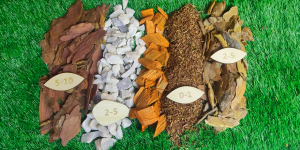
Mulches fall into two general categories: organic and inorganic. Each has its own characteristics, advantages, and potential drawbacks. Choosing the right mulch depends on the specific needs of the garden, the soil type, the local climate, and the gardener’s long-term goals.
Organic Mulches
Organic mulches are the most widely used because they enrich the soil as they decompose.
Pine Straw
A lightweight, attractive mulch that spreads easily and breaks down steadily. It is particularly well suited for landscapes with shrubs, flowering perennials, and acid-loving plants such as blueberries, azaleas, and camellias. Pine straw is airy and resists compaction.
Shredded Leaves
Leaves are one of the most natural and beneficial mulches. When shredded, they break down quickly and improve soil structure dramatically. Leaf mulches mimic forest litter and support rich microbial activity. They are ideal for vegetable gardens, orchard beds, and ornamental plantings.
Wood Chips and Bark Mulch
These long-lasting mulches are excellent for pathways, tree rings, and shrub borders. They decompose slowly, retain moisture, and suppress weeds well. Wood chips create a stable environment but should not be piled against tree trunks or stems.
Straw and Hay
Straw provides great moisture retention for vegetable beds and decomposes faster than wood-based mulch. Clean straw free of weed seeds is preferred. Hay is richer but often contains seeds, so gardeners must choose carefully.
Compost
Compost works both as a mulch and a nutrient-rich soil amendment. It improves soil quickly but requires frequent replenishing. It is perhaps the best mulch for vegetable gardens and herb beds.
Grass Clippings
A readily available mulch, grass clippings add nitrogen and retain moisture. They should be applied in thin layers to avoid matting and excessive heat buildup. They work well during active growing seasons.
Inorganic Mulches
Inorganic mulches do not decompose and are useful in specific circumstances.
Gravel and Stone
Durable, decorative, and excellent for heat-tolerant or drought-resistant plants. Stone mulches create good drainage but may reflect heat onto nearby plants if used improperly.
Landscape Fabric
Effective for long-term weed control under walkways or ornamental beds. Fabric needs an organic cover for visual appeal and must be maintained to prevent clogging.
Rubber Mulch
Primarily used in playgrounds or high-traffic areas. Not suitable for vegetable gardens or areas where soil improvement is a priority.
Practical Guidelines for Mulching Effectively
Correct mulching technique is critical for achieving the best results. A poorly applied mulch layer can cause moisture problems, invite pests, or inhibit plant growth. Thoughtful application ensures that mulch works with the garden, not against it.
Ideal Depth and Coverage
In most situations, a depth of 2–4 inches provides the best balance of moisture retention, weed control, and soil protection. Light materials like straw or shredded leaves may require slightly thicker layers. Heavy mulches, such as wood chips, should remain on the thinner side to ensure good air circulation.
Keeping Mulch Away from Stems and Trunks
Mulch should never touch plant stems or tree trunks. A mulch-free gap prevents stem rot, improves airflow, and discourages pests that thrive in moist environments. For shrubs and perennials, a 3–6 inch gap is sufficient. For trees, maintain an 8–12 inch mulch-free ring around the trunk.
Seasonal Considerations
Spring:
Mulch helps retain moisture but may slow soil warming. Moving it aside temporarily can speed early growth.
Summer:
Heat and dry spells make mulch indispensable. Plants experience significantly less stress when soil is shielded from direct sunlight.
Autumn:
Replacing or thickening mulch in the fall prepares garden beds for winter and supports soil life during dormant months.
Winter:
Even in mild climates, mulch protects against temperature swings and frost heaving.
Monitoring for Pests and Diseases
While mulch brings many benefits, certain materials may attract slugs, rodents, or insects. Regular inspection prevents problems. Keeping mulch layers clean, loose, and properly spaced greatly reduces the risk of pests.
Comparison Table: Common Mulch Types and Their Uses
| Mulch Type | Advantages | Drawbacks | Best Uses |
|---|---|---|---|
| Pine Straw | Light, breathable, easy to spread | Breaks down relatively quickly | Shrubs, perennials, acid-loving plants |
| Shredded Leaves | Excellent soil improvement, natural | May require annual replenishment | Vegetable beds, fruit trees, ornamental gardens |
| Wood Chips | Long-lasting, attractive | Nitrogen tie-up at surface | Trees, shrubs, pathways |
| Straw | Moisture retention, great for edibles | Possible weed seeds | Vegetable gardens, berry patches |
| Compost | High nutrients, fast soil building | Breaks down quickly | Herbs, vegetables, annuals |
| Gravel | Permanent, clean look | Increases radiant heat | Dry gardens, succulents |
| Landscape Fabric | Long-term weed suppression | Interferes with soil ecology | Ornamental beds, under walkways |
Conclusion
Mulching is one of the most effective, adaptable, and sustainable practices in modern gardening. It improves soil health, reduces maintenance, supports biodiversity, and strengthens the resilience of garden ecosystems. When thoughtfully applied, mulch protects plants from environmental stress, nourishes the soil from within, and creates conditions where both ornamental and edible gardens can thrive.
By choosing appropriate materials and applying them with care, gardeners cultivate not just healthier plants but also a more balanced, self-sustaining environment. Mulching becomes not merely a horticultural technique but a long-term investment in the vitality and beauty of the garden.