Weeds are an unavoidable part of gardening in the American South, where long warm seasons, generous humidity, and fertile soils create perfect conditions not only for cultivated plants but also for aggressive, fast-spreading intruders. For many gardeners, weeds feel like a constant battle—one that restarts every spring and continues until winter finally slows the growth of everything living in the soil. However, with the right knowledge, careful observation, and a long-term strategy, controlling weeds becomes far less overwhelming. Instead of a frustrating chore, it turns into another aspect of understanding your garden’s natural rhythms.
This guide explores why weeds are so successful in the southeastern climate, how to identify and manage the most common species, and how to create an environment where desirable plants consistently win the competition for space, nutrients, and sunlight. While weeds can never be eliminated entirely, they can be managed effectively—and often with methods that strengthen the health of the entire garden ecosystem.
Why Weeds Thrive in the Southeastern Climate
The American South provides a near-perfect ecological environment for weed proliferation. Long stretches of warm weather, mild winters, and abundant rainfall create a climate where many weed species have nearly year-round opportunities to germinate. Annuals, perennials, and invasive plants all benefit from conditions that allow multiple growth cycles in a single year.
First, the soil in many southeastern states is rich in organic matter or clay-heavy—both of which retain moisture well. While some garden crops prefer well-drained soil, weeds can adapt quickly to almost any condition. This natural adaptability helps species like crabgrass, nutsedge, and spurge spread vigorously even in compacted or depleted soil.
Second, the region’s extended warm season gives weeds a biological advantage. Some species germinate as early as late winter, grow through spring, set seeds by summer, and start a second growth cycle in the fall. Because many homeowners mulch or weed only once a season, these opportunistic plants quickly reclaim bare soil before garden crops or ornamentals have time to fill in.
Another factor is the region’s frequent heavy rainfall. Intense downpours can wash away mulch, disrupt soil structure, and expose weed seeds that were previously buried too deep to germinate. After storms, even a well-maintained garden may see an unexpected flush of seedlings.
Understanding these environmental factors is essential because weed control in the South is less about one-time interventions and more about consistent maintenance—predicting weed pressure before it appears and using climate-appropriate strategies to suppress growth, reduce seed distribution, and maintain strong competition from desirable plants.
Common Weeds in Southern Gardens and What Makes Them Hard to Control
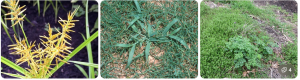
Different weeds require different management strategies, and misidentification often leads to wasted effort. Below is a closer look at some of the most common species that thrive in southeastern gardens—and why they persist despite gardeners’ best attempts to remove them.
1. Crabgrass (Digitaria spp.)
Crabgrass spreads aggressively during hot weather, sending out low-growing stems that root wherever they touch soil. Its seeds can survive for years, waiting for the perfect conditions to germinate. In compacted or bare areas, crabgrass moves in almost immediately.
2. Nutsedge (Cyperus rotundus and Cyperus esculentus)
Often mistaken for grass, nutsedge is much more persistent. It spreads through underground tubers called nutlets, which break off easily during hand-pulling. Unless the entire root chain is removed—which is extremely difficult—nutsedge returns stronger than before. Its rapid vertical growth allows it to outcompete vegetables and annual flowers quickly.
3. Creeping Charlie (Glechoma hederacea)
This low-growing perennial thrives in partial shade and moist soil, common conditions in southern yards. It spreads via long runners that root frequently, forming dense mats. Once established, it pushes out lawn grasses and quickly infiltrates flower beds.
4. Spurge (Euphorbia spp.)
Spurge loves heat and poor soil—conditions that stress cultivated plants but encourage weed opportunists. It produces thousands of seeds that germinate quickly after rain. The sap can irritate skin, making removal unpleasant and prompting many gardeners to avoid thorough weeding.
5. Virginia Buttonweed (Diodia virginiana)
One of the Southeast’s most stubborn weeds, buttonweed thrives in wet soil and can grow submerged during rainy periods. It spreads by seed, root fragments, and even floating stems. Mowing or trimming often makes it spread faster.
What unites these weeds is their adaptive resilience. They grow faster than most desirable plants, reproduce more aggressively, and can survive in challenging soil conditions that garden crops dislike. For these reasons, weed management in the South requires a combination of prevention, soil improvement, and early intervention.
Long-Term Weed Prevention Strategies That Work in Southern Gardens
While pulling weeds by hand or using herbicides provides temporary relief, long-term control depends on building a garden environment where weeds are naturally suppressed. The most effective strategies are often simple, ecological, and surprisingly low-maintenance when integrated into a seasonal routine.
Start with soil health
Healthy, well-amended soil supports stronger root systems in cultivated plants, which makes them more competitive against weeds. Incorporating compost each season helps create structure, improves drainage in clay soils, and supports beneficial organisms that outcompete weed seedlings. When your desired plants flourish, weeds struggle to gain a foothold.
Use deep, consistent mulch
Mulch is one of the most powerful weed-control tools in southeastern gardens. Because weeds germinate rapidly in warm, humid conditions, mulch blocks sunlight and creates a physical barrier that prevents seeds from sprouting. Organic mulches—pine straw, shredded bark, or wood chips—also protect soil from erosion during heavy rains. Maintaining a 2–4-inch layer through the entire growing season dramatically reduces annual weed pressure.
Plant densely and intentionally
Bare soil invites weeds. In the South, where growth cycles are fast, spacing plants slightly closer than standard recommendations helps shade out the soil surface. Groundcovers like creeping phlox, mondo grass, and perennial herbs provide excellent competition and reduce the amount of open ground where weeds could take root.
Water wisely
Drip irrigation and targeted watering help reduce weeds by keeping moisture where crops need it while depriving weeds in surrounding soil. Overhead watering wets everything—ideal for weed germination.
Address weeds early—very early
In warm climates, waiting even one week can be the difference between removing a small patch and battling a widespread outbreak. A quick weekly walk-through, pulling new seedlings before they establish roots, saves hours of work later.
Use selective herbicides when appropriate
Some perennial weeds—especially nutsedge and Virginia buttonweed—are extremely difficult to manage without chemical intervention. Gardeners who prefer minimal herbicide use can target these species only, using a narrow-spectrum product and applying it in the early growth stage for better effectiveness. Combining selective herbicides with cultural and mechanical strategies typically yields the best long-term result.
Practical Weed-Management Approaches for Different Garden Areas
Weeds behave differently depending on the space—the vegetable garden, ornamental beds, lawn, or pathways—so management should be adapted to each area’s needs.
Vegetable gardens
These beds require weed control that protects edible crops from chemical exposure. Mulching with straw, shredded leaves, or pine needles is especially effective. Crop rotation also helps because some weeds specialize in certain soil conditions or grow more aggressively around specific vegetables.
Flower beds and ornamental landscapes
These spaces benefit from a combination of deep mulch, dense planting, and selective removal. Shrub borders, in particular, are susceptible to creeping weeds like spurge and creeping Charlie, which can slip under mulch. Using edging or barriers can help contain spreading species.
Lawns
Southern lawns—often composed of warm-season grasses such as Bermuda, St. Augustine, or zoysia—are particularly vulnerable to invasion during periods of drought or low mowing. Maintaining proper mowing height, irrigating consistently, and applying pre-emergent herbicides in early spring can significantly reduce weed pressure.
Pathways and driveways
Even small cracks attract opportunistic weeds. Boiling water, vinegar-based sprays, or flame-weeding tools can be effective in these non-planted areas where precision is easier and collateral damage is minimal.
Comparison of Common Southern Weeds
| Weed Species | Growth Habit | Method of Spread | Difficulty Level |
|---|---|---|---|
| Crabgrass | Annual grass | Seeds | Moderate |
| Nutsedge | Perennial sedge | Underground tubers | High |
| Creeping Charlie | Perennial groundcover | Runners | High |
| Spurge | Annual broadleaf | Seeds | Easy–Moderate |
| Virginia Buttonweed | Perennial broadleaf | Seeds, fragments | Very High |
Final Thoughts: Working With Nature, Not Against It
Weed control in southeastern gardens will always require effort because the region’s climate is simply too favorable for plant growth of all kinds. However, with the right combination of prevention, early intervention, soil improvement, and smart garden design, weeds become manageable rather than overwhelming.
The goal isn’t to eliminate weeds entirely—that’s impossible anywhere, especially in the humid American South. Instead, effective management is about achieving balance: strengthening the plants you want, weakening the ones you don’t, and creating conditions where your garden thrives naturally through the seasons.
By observing your landscape closely, understanding the behavior of common weeds, and using tools that work with the region’s climate instead of against it, you can maintain beautiful, healthy garden spaces that bring joy despite the constant presence of a few determined botanical intruders.