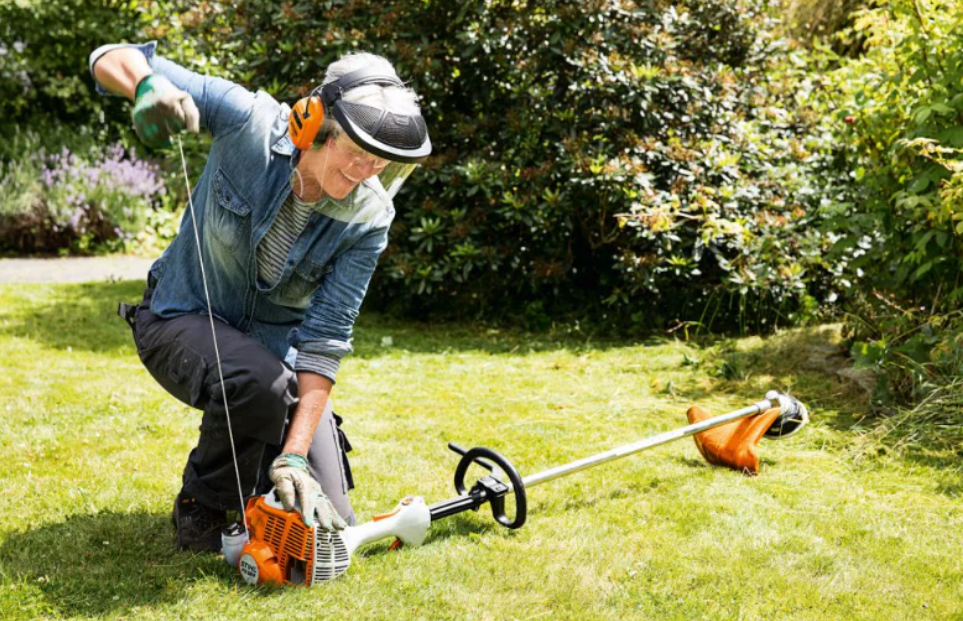
Gardening is a physically rewarding activity that helps maintain a beautiful and productive yard. However, hand tools and power equipment carry serious injury risks. From cuts and bruises to more severe accidents, improper use of tools can lead to harm. Understanding potential hazards, using the right techniques, and following safety measures help reduce risks and make gardening both safe and effective.
Why Garden Tools Are a Major Injury Source
 Many gardeners underestimate the danger posed by tools. Even light handwork can result in injury if you don’t consider leverage, tool design, and the environment.
Why Tool Injuries Are Often Underestimated
Injuries often occur from routine “automatic” work. People trust their experience and neglect small safety measures like gloves, eye protection, or checking blade sharpness. This creates a false sense of security.
Differences Between Hand Tools and Power Equipment
-
Hand tools (pruners, shovels, knives, rakes) usually cause cuts, bruises, and sprains.
-
Power tools (lawnmowers, string trimmers, blowers) can cause more severe injuries: deep cuts, electric shock, burns, and accidental starts, especially with battery-powered models.
Common Injury Scenarios
-
Cutting fingers with pruners or knives in a hurry
-
Bruises from dropping tools
-
Back and joint injuries from improper lifting or digging
-
Scrapes and cuts from rakes or sharp metal edges
Understanding these scenarios allows gardeners to anticipate risks and take preventive measures.
Safe Use of Hand Tools
Hand tools are essential for gardening but also the source of most minor injuries.
Pruners, Knives, Shovels, and Rakes
Each tool requires a specific approach:
-
Pruners and knives — always cut away from your body and keep blades closed when not in use.
-
Shovels and rakes — hold with both hands and avoid straining your back.
-
Rakes — carry with tines pointed down and away from your feet.
Proper Grip, Posture, and Force Direction
-
Hold handles with both hands, keeping wrists neutral.
-
Bend your knees when lifting heavy objects; avoid twisting your back.
-
Direct force downward or away from your body so the tool doesn’t slip.
Wear and Sharpness as Risk Factors
Dull blades require more effort, increasing the chance of slipping and injury. Regular sharpening and tool inspection are key preventive measures.
Power Equipment: Risks and Precautions
Power tools increase efficiency but introduce additional risks.
String Trimmers, Lawnmowers, and Leaf Blowers
-
Lawnmowers can cause serious cuts if blades are uncontrolled or if the mower is accidentally started during transport.
-
String trimmers can injure legs or hands if used at the wrong angle.
-
Leaf blowers can project debris that injures eyes or face.
Electric vs. Battery-Powered Tools
Check cords, grounding, and battery condition. Any damage increases the risk of electric shock or accidental activation.
Safety Gear: Glasses, Ear Protection, Gloves
When using power equipment, always wear:
-
Eye protection to guard against flying debris
-
Ear protection for loud motors
-
Gloves to protect hands from vibration and accidental cuts
Table: Tool Type vs. Common Injuries
| Tool Type | Common Injuries | Prevention Measures |
|---|---|---|
| Hand tools (pruners, knives) | Cuts, punctures, blisters | Proper grip, sharp blades, gloves |
| Shovels, rakes | Back strain, slips, bruises | Correct posture, bend knees, use stable footing |
| Lawnmowers | Lacerations, foot injuries | Inspect blades, clear area, wear shoes |
| String trimmers | Cuts, eye injuries | Eye protection, proper stance |
| Leaf blowers | Eye irritation, debris injuries | Safety goggles, check surroundings |
Storage, Transport, and Maintenance Safety
Tools remain hazards even when not in use.
Proper Storage to Avoid Injuries
-
Store sharp blades in sheaths or on racks
-
Keep hand tools upright, tines down, out of children’s reach
-
Keep power equipment away from moisture and direct sunlight
Safe Transport
-
Never carry a powered tool while it is on
-
Use protective covers for mowers and trimmers
-
Remove batteries when transporting
Pre-Use Inspection
Before working, check:
-
Cracks, loose parts, or damaged cords
-
Sharpness of blades
-
Proper placement of all safety guards
Checklist: Before You Use Garden Tools
-
Tool is clean and dry
-
Blade or edge is sharp and intact
-
Handles are secure and free from cracks
-
Personal protective equipment (gloves, glasses, ear protection) ready
-
Area cleared of obstacles, pets, and bystanders
-
Power tool cords and batteries checked for damage
Safety Reminders
-
Hand and power tools require different safety approaches
-
Most injuries occur due to habit or inattention rather than rare accidents
-
Correct posture, force direction, and regular tool checks reduce risks
-
Protective clothing, gloves, glasses, and ear protection are essential with power equipment
-
Proper storage and transport are key to preventing accidents
Conclusion
Garden tools and power equipment are indispensable for yard maintenance but demand respect and caution. Understanding risks, following proper techniques, using safety gear, and routinely inspecting tools minimizes injuries and accidents. Safe tool use makes gardening productive, enjoyable, and worry-free.