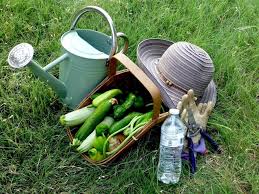
Gardening in the hot and coastal regions of the Southeastern United States comes with unique climate challenges. High temperatures, humidity, and intense sunlight create health risks that are often underestimated, even by experienced gardeners. This article explains how to protect yourself from overheating, sun exposure, and other climate-related hazards, making gardening safe, productive, and sustainable over the long term.
Why Climate Is the Biggest Safety Risk in Southern Gardening
Heat and humidity are not just uncomfortable—they are real health threats. The southern climate, especially in coastal areas, combines high air temperatures with elevated humidity, which impairs the body’s ability to cool itself through sweating.
Even experienced gardeners are susceptible to heat stress. Over time, familiarity with the workload can create a false sense of security. Physical gardening activities—digging, planting, harvesting—can lead to heat exhaustion much faster than expected.
The combination of sun, high humidity, and physical work is especially dangerous. Direct sunlight increases the risk of heatstroke, while humidity reduces the efficiency of natural cooling. This combination can result in headaches, dizziness, nausea, and even fainting.
Recognizing that climate itself is a primary risk factor allows gardeners to plan their work safely. The goal is not to “fight the weather,” but to work with it, considering daily and seasonal conditions.
Heat Stress and Dehydration: Early Signs and Prevention
Heat exhaustion and heatstroke are two of the most serious problems gardeners face in the South. It’s important to distinguish between them: heat exhaustion shows up as weakness, fatigue, and sweating, while heatstroke is life-threatening, involving a dangerously high body temperature and altered consciousness.
Symptoms of Heat Stress and Heatstroke
Early warning signs include:
-
Rapid or heavy breathing
-
Dizziness and weakness
-
Sweaty or, in some cases, dry skin
-
Nausea and headaches
-
Decreased concentration
Without intervention, these symptoms can escalate into heatstroke, requiring immediate medical attention.
Hydration: How Much and How Often
One of the simplest, yet often overlooked, ways to stay safe is proper hydration. In hot conditions, drink water regularly in small amounts, before you even feel thirsty. A general guideline is 8–12 ounces (250–350 ml) every 30–60 minutes of outdoor work.
Avoid drinks high in sugar or caffeine—they can worsen dehydration. Electrolyte drinks are useful during prolonged physical activity, especially when sweating heavily.
The Role of Breaks and Shade
Even with regular hydration, breaks in the shade every 45–60 minutes are crucial. Shade lowers heat exposure and helps the body recover. Dense vegetation, canopies, or portable umbrellas can serve as effective “cool islands” right in your garden.
Protective Clothing That Works in Hot, Humid Conditions
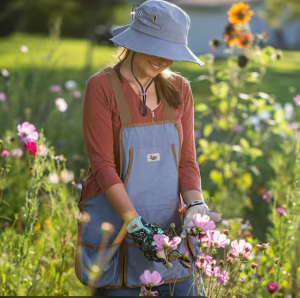 Clothing is a key factor in protection. Poorly chosen gear can increase overheating, while the right clothing can significantly reduce heat stress.
Common Clothing Mistakes
Many gardeners wear heavy or non-breathable synthetic fabrics, thinking they protect against sunburn or thorns. In reality, they block sweat evaporation, preventing natural cooling.
Breathable Fabrics, Color, and Fit
Lightweight, breathable fabrics such as cotton or moisture-wicking technical materials are best. Light colors reflect sunlight, and loose-fitting clothing allows airflow to keep the body cool.
Gloves, Footwear, and Hats
Protecting hands, feet, and head is essential. Gloves shield against cuts but should not be overly thick, which traps heat. Lightweight, breathable shoes reduce foot overheating. Wide-brimmed hats protect the face and neck from direct sun and lower the risk of heatstroke.
Sun Exposure and Long-Term Skin Protection
Sunlight not only causes heat stress but also affects skin health. UV exposure is cumulative—every year of unprotected exposure increases the risk of premature aging and skin cancer.
UV Exposure and Cumulative Effect
Even on cloudy days, up to 80% of UV rays penetrate clouds. In coastal regions, reflected sunlight further intensifies exposure.
Protecting Skin, Eyes, and Lips
Use sunscreen with SPF 30 or higher, reapplying every 2–3 hours. UV-protective sunglasses safeguard the eyes, and SPF lip balms protect the lips.
Habits That Really Reduce Risk
-
Work in shaded areas or under canopies
-
Take regular water breaks
-
Wear lightweight, covering clothing
-
Schedule intensive work for early morning or late evening
These habits lower both immediate heat risks and long-term skin damage.
Timing and Planning: Working With the Climate, Not Against It
Planning gardening activities around the climate is one of the most effective ways to stay safe.
Best Time of Day to Work
Early morning (6–9 a.m.) and late evening (5–8 p.m.) are cooler periods with lower sunlight intensity. Heavy tasks are best scheduled during these hours.
Seasonal Task Planning
During the hottest months, focus on lighter tasks like watering, plant inspection, or light pruning. Major planting or digging is safer in spring or fall, when temperatures are lower.
When to Delay Gardening
When temperatures exceed 90–95°F (32–35°C), humidity is above 70%, or sunlight is intense, postpone work. Even short exposure can lead to overheating and heatstroke.
Things to Keep in Mind
-
Heat and humidity in southern and coastal regions are the biggest garden safety risks
-
Proper hydration, breaks, and shade prevent heat stress
-
Lightweight, breathable clothing with a hat offers the best protection
-
Sunscreen, sunglasses, and lip balm reduce long-term skin damage
-
Planning work by time of day and season keeps gardening safe
Conclusion
Gardening in hot and coastal Southeastern regions requires special attention to climate conditions. Overheating, sun exposure, and high humidity can cause serious health problems if preventive measures are not taken. Proper hydration, protective clothing, sun protection, and planning work according to climate conditions allow gardeners to enjoy gardening safely and reduce health risks. Working with the weather—not against it—makes gardening productive, safe, and sustainable over the long term.