Gardening is often perceived as a calm and safe activity, a contrast to office stress or intense physical exercise. Yet this apparent simplicity is exactly what makes gardening a source of hidden health risks. For gardeners in southern and coastal regions, physical safety becomes especially important due to the combination of climate, long growing seasons, and repetitive physical demands. This topic matters to anyone who wants gardening to be a sustainable, long-term part of life—without chronic pain, injuries, or forced breaks.
Why Gardening Injuries Are More Common Than People Think
One of the main reasons gardening injuries occur is the systematic underestimation of physical strain. Unlike sports or heavy labor, gardening is rarely associated with risk. As a result, people begin working without preparation, warm-up, or awareness of body positioning. This lack of attention is particularly dangerous during prolonged or repetitive tasks.
Most common injuries are not caused by accidents but by cumulative stress. Cuts from pruners, muscle strains, and pain in the lower back, knees, and shoulders develop gradually. Gardeners may not notice the point of overload, as discomfort builds slowly and is often attributed to age, fatigue, or the “normal” consequences of physical work.
Microtrauma plays a critical role. Repeated bending, twisting, and kneeling place continuous stress on the same muscle groups and joints. Without sufficient recovery, these small injuries evolve into chronic conditions. As a result, people may continue gardening for years while experiencing persistent pain that becomes a constant background rather than an exception.
Seasonality further increases risk. In regions with long warm seasons, gardening tasks often concentrate into short periods of intense activity. Sudden increases in workload without gradual adaptation place significant strain on the musculoskeletal system, particularly for individuals who are otherwise sedentary.
 Body Mechanics: How to Move and Work Without Harm
Proper body mechanics are the foundation of physical safety in the garden. Most injuries arise not from the tasks themselves, but from how those tasks are performed. The human body is poorly suited to prolonged work in bent positions, especially when combined with lifting or repetitive arm movements.
Lifting heavy objects is one of the most hazardous aspects of gardening. Bags of soil, large containers, and heavy plants are often lifted using the lower back rather than the legs, placing excessive pressure on the spine. Safe lifting involves keeping the back straight, bending at the knees, and using the strength of the thighs. Equally important is avoiding torso rotation while carrying weight, as twisting significantly increases injury risk.
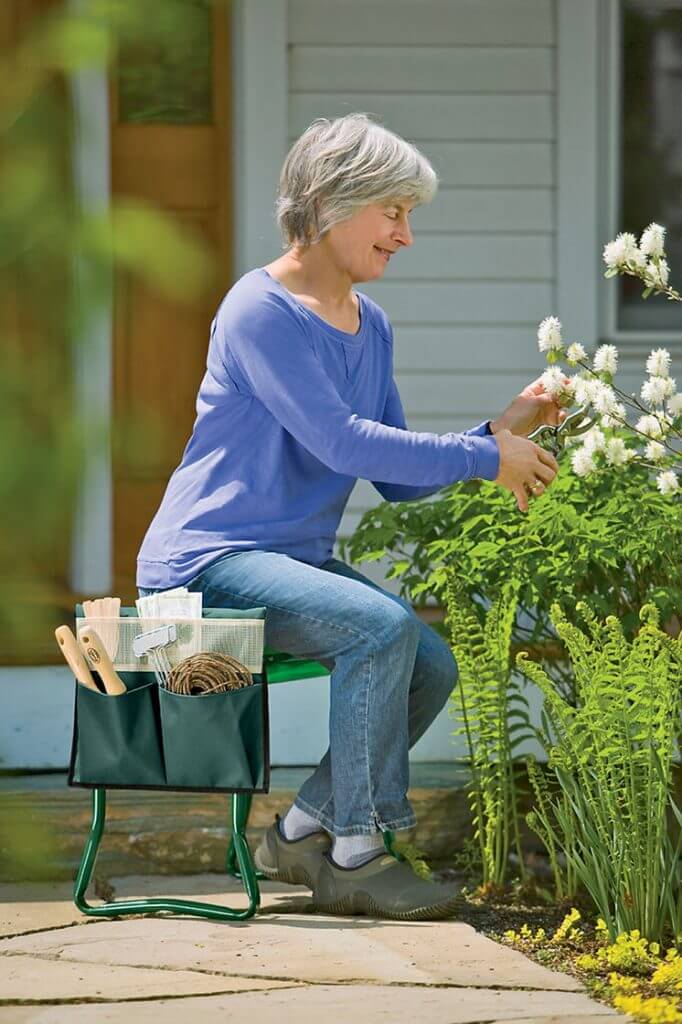
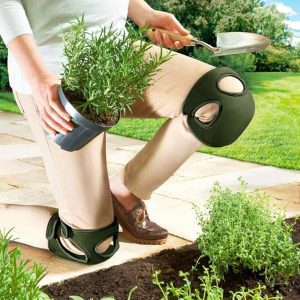
Working at ground level presents another challenge. Extended periods of weeding or planting while bent over restrict circulation and overload the spine. Safer alternatives include frequent posture changes, the use of knee pads or low stools, and raised garden beds. Even small adjustments to posture and workflow can greatly reduce physical strain.
Pruning and overhead work also pose risks, particularly when arms are held above shoulder height for extended periods. This position increases tension in the neck and shoulder muscles. Regular breaks, task rotation, and appropriate tools help prevent overuse injuries in these areas.
Safe Gardening After Injury or With Chronic Conditions
Gardening is often viewed as a form of rehabilitation, but this approach requires caution. For individuals with arthritis, chronic back pain, or knee issues, improper workload can worsen symptoms rather than improve them.
The key principle is adaptation, not avoidance. Most people with chronic conditions can continue gardening by adjusting task intensity, duration, and technique. This may involve shorter work sessions, the use of assistive tools, and eliminating movements that trigger sharp or escalating pain.
It is crucial to distinguish between normal muscular discomfort and signs of injury. Mild soreness after activity is expected, while sharp pain, numbness, or reduced mobility are signals to stop immediately. Ignoring these warnings often leads to prolonged flare-ups and extended recovery periods.
Age alone is not the determining risk factor. Problems more often result from accumulated strain and a failure to adapt working habits over time. Thoughtful planning and realistic pacing allow many people to remain active gardeners well into older age.
 Ergonomics, Fatigue, and Recovery as Part of Safety
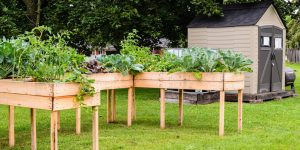
Ergonomics plays a central role in injury prevention but is frequently overlooked. Tools with longer handles, cushioned grips, and lighter weight reduce stress on joints. Raised beds and container gardening minimize bending and prolonged kneeling, making tasks more manageable.
Garden layout also affects safety. Keeping frequently used tools and materials close to work areas reduces unnecessary lifting and carrying. This is especially beneficial for gardeners with limited mobility or those recovering from injury.
Fatigue is one of the most significant contributors to injury risk. As the body tires, coordination and concentration decline. Many injuries occur at the end of a work session, when people push themselves to “finish just one more task.” Knowing when to stop is a critical safety skill.
Recovery should be viewed as part of the gardening process, not a break from it. Light stretching, alternating tasks, and scheduling rest days allow the body to adapt to physical demands. Without adequate recovery, even well-organized gardening practices can lead to long-term strain.
Key Conclusions
-
Most gardening injuries result from cumulative microtrauma rather than isolated accidents.
-
Improper body mechanics are the primary cause of chronic pain related to gardening.
-
Adapting tasks makes it possible to garden safely even with injuries or chronic conditions.
-
Ergonomic tools and thoughtful garden design significantly reduce physical strain.
-
Fatigue and ignored warning signs increase injury risk more than task complexity.
Conclusion
Physical safety in the garden is not about restrictions, but about long-term health preservation. An attentive approach to movement, workload, and recovery allows gardening to remain a sustainable and rewarding activity. When safety becomes part of the process, the garden supports well-being rather than undermining it.